

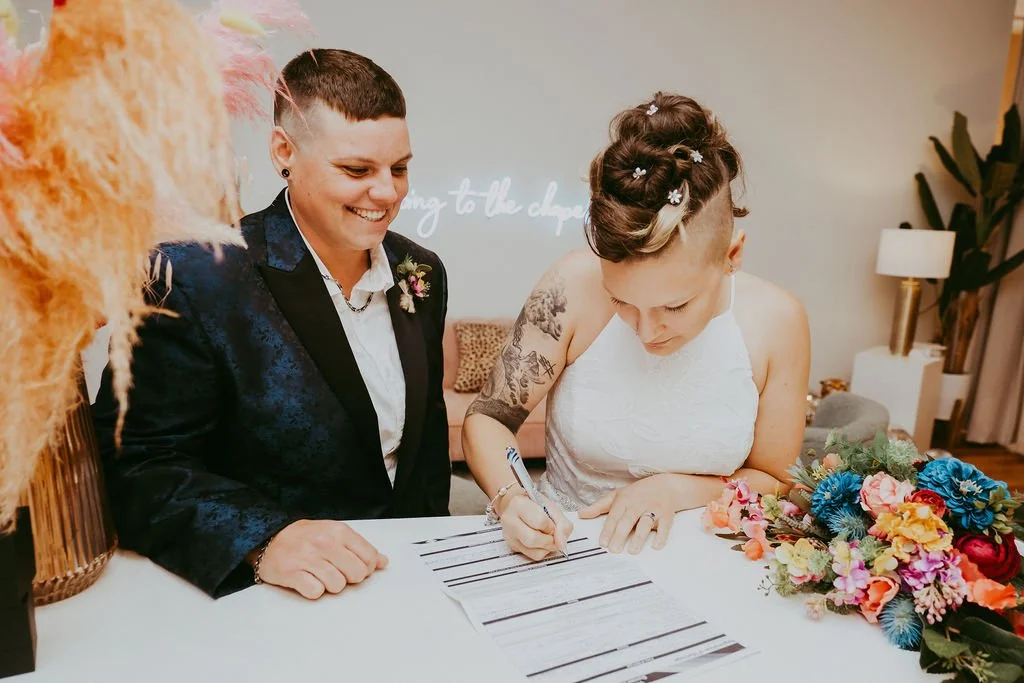
Getting married is an exciting milestone filled with celebrations, plans, and new beginnings. Once the wedding is over, however, many newlyweds face an important administrative task: completing a name change after marriage. While changing your last name is a personal choice, the legal process behind it can feel overwhelming if you’re unsure where to begin.
Whether you plan to take your spouse’s last name, hyphenate, or create a blended surname, understanding the steps involved can save time, stress, and costly mistakes. This guide breaks down everything you need to know about name change after marriage, including legal requirements, common pitfalls, and how to make the process smoother—especially if you’re completing it in Florida.
Is a Name Change After Marriage Required?
First things first: changing your name after marriage is optional. Many people choose to keep their original name for professional, cultural, or personal reasons. Others prefer to adopt their spouse’s last name or create a new shared surname.
If you do decide to change your name, marriage provides a legal basis that simplifies the process compared to other types of name changes. Your marriage certificate serves as proof that allows you to update your name with government agencies and financial institutions without going to court in most cases.
Choosing Your New Legal Name
Before starting the paperwork, it’s important to decide exactly how your name will appear moving forward. Common options include:
- Taking your spouse’s last name
- Hyphenating both last names
- Combining parts of both last names
- Keeping your original last name
Some states have specific rules about what is permitted using a marriage certificate alone. If your desired name change goes beyond standard options, you may need to file a formal court petition. Reviewing state-specific guidelines early can prevent delays later.
Step One: Obtain Certified Copies of Your Marriage Certificate
Your marriage certificate is the foundation of the name change process. After your wedding, request certified copies from the county clerk or vital records office. It’s wise to order multiple copies, as several agencies may require an original certified document.
Without this certificate, you won’t be able to move forward with updating your legal records.
Step Two: Update Your Social Security Record
In most cases, the Social Security Administration (SSA) should be notified first. Updating your name with the SSA ensures that your new name matches your Social Security number, which is essential for taxes, employment, and benefits.
To update your record, you’ll typically need:
- A completed application form
- A certified marriage certificate
- Valid photo identification
Once processed, you’ll receive a new Social Security card with your updated name.
Step Three: Change Your Driver’s License or State ID
After your Social Security record is updated, you can change your name on your driver’s license or state ID. This is usually handled through your state’s Department of Motor Vehicles (DMV).
Requirements may include:
- Proof of updated Social Security information
- A certified marriage certificate
- Current identification
- Applicable fees
In Florida, name changes often require specific forms and documentation, so having a step-by-step checklist can be especially helpful.
Step Four: Update Your Passport
If you have a passport, updating it is important—especially if you plan to travel. The process and fees depend on how long you’ve had your passport and whether it was issued before or after your marriage.
Submitting incorrect forms or missing documents can delay processing, so careful attention to instructions is key.
Step Five: Notify Financial and Professional Institutions
Once your government-issued IDs reflect your new name, you can begin updating other records, such as:
- Banks and credit unions
- Credit cards and loan accounts
- Employers and payroll departments
- Health and auto insurance providers
- Utility companies
- Schools and professional licensing boards
Keeping a written checklist can help ensure nothing is missed during this phase of the name change after marriage process.
Common Mistakes to Avoid
Many newlyweds encounter setbacks because of small but avoidable errors. Some of the most common mistakes include:
- Starting the process before receiving certified marriage certificates
- Updating accounts in the wrong order
- Misspelling names on official forms
- Forgetting to update less obvious records, such as online accounts or memberships
Using an organized approach—or a prepared name change kit—can significantly reduce these risks.
How Long Does a Name Change After Marriage Take?
The timeline varies depending on how quickly documents are submitted and processed. Some people complete the process in a few weeks, while others take several months.
Factors that affect timing include:
- Agency processing speeds
- Accuracy of submitted paperwork
- Whether additional court approval is required
Starting early and following a clear sequence helps keep things moving smoothly.
Making the Process Easier
Handling a name change after marriage can feel like a full-time job, especially when balancing work, family, and post-wedding responsibilities. Many people choose to use state-specific name change kits or professional guidance to simplify the process.
These resources often provide:
- Pre-filled or guided forms
- Step-by-step instructions
- State-compliant documentation
- Helpful checklists
For Florida residents, using a kit designed for state requirements can help ensure accuracy and peace of mind.
Final Thoughts
A name change after marriage is more than just paperwork—it’s a personal decision that marks a new chapter in your life. While the legal steps may seem intimidating at first, understanding the process and preparing in advance can make the transition much smoother.
By gathering the right documents, following the correct order, and avoiding common mistakes, you can complete your name change efficiently and confidently. Whether you handle it on your own or use a guided resource, taking the time to do it right will save you stress in the long run.