

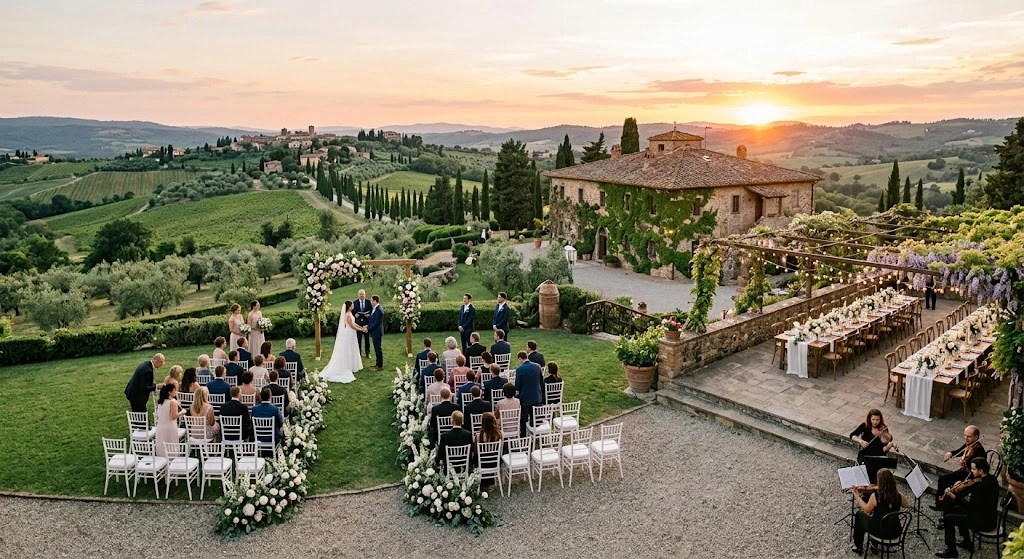
Choosing between an indoor and outdoor wedding is one of the most important decisions couples make during the planning process. The setting influences the atmosphere, decorations, guest comfort, photography, and even the schedule of the celebration. When exploring a wedding venue in Denver, couples should consider more than appearance. The right choice depends on their vision, budget, guest list, and ability to plan for changing conditions.
Denver offers a variety of wedding spaces, from elegant indoor ballrooms and historic buildings to outdoor gardens and scenic locations. Both indoor and outdoor weddings can be beautiful, but each comes with different advantages and challenges. Understanding these differences will help you choose a setting that suits your priorities.
1. The Atmosphere: Elegant Indoors or Natural Outdoors?
The atmosphere of your wedding is often the first factor to consider. Indoor venues provide a controlled environment that can feel formal, intimate, modern, or luxurious depending on the architecture and decorations.
A ballroom with attractive lighting, large windows, or historic architectural details can create an impressive setting without requiring extensive decoration. Indoor spaces also give couples greater control over the visual details, particularly when the wedding has a specific color scheme or theme.
Outdoor weddings offer a different kind of appeal. Gardens, landscaped courtyards, and open-air spaces can provide natural beauty that complements floral arrangements and simple decorations. The surrounding landscape can become part of the ceremony rather than merely serving as a backdrop.
Consider the mood you want to create. If you picture a formal reception with a dance floor and carefully arranged tables, an indoor space may be the better fit. If you prefer a relaxed celebration surrounded by greenery and open skies, an outdoor setting may suit your vision.
Neither option is automatically better. The most suitable environment is the one that feels consistent with your personalities and the experience you want to share.
2. Denver Weather and Seasonal Considerations
Weather deserves special attention when planning a wedding in Denver. Colorado can experience changing temperatures, strong sunshine, wind, and unexpected precipitation. Conditions may vary considerably between seasons and even throughout a single day.
An indoor wedding provides greater protection against these changes. Air conditioning, heating, and shelter allow couples to plan with more confidence, particularly when guests will be dressed formally or the event includes elderly relatives and young children.
Outdoor weddings can still be wonderful, but they require more preparation. Before booking an outdoor space, ask about contingency arrangements for rain, wind, or uncomfortable temperatures. Determine whether an indoor alternative is available and whether switching locations would involve additional fees.
The time of year also matters. Summer celebrations may require shade and hydration, while spring and fall weddings can bring cooler evenings. Even during warmer months, couples should avoid assuming that outdoor temperatures will remain comfortable throughout the event.
If an outdoor ceremony is essential to your vision, build a practical weather plan into your budget and schedule. Having a clear alternative allows you to enjoy the celebration without making last-minute decisions under pressure.
3. Budget Differences Between Indoor and Outdoor Weddings
The cost of a wedding depends on the venue, guest count, services, and level of customization. However, indoor and outdoor settings can create different budget requirements.
Indoor venues may include tables, chairs, restrooms, lighting, heating or cooling, and preparation areas. Some also offer event coordination or established vendor arrangements. These inclusions can simplify planning and make it easier to estimate total costs.
Outdoor spaces may have attractive rental rates, but the final expense can increase if additional equipment is needed. Depending on the location, couples may need to arrange portable restrooms, tents, temporary flooring, extra lighting, generators, or additional furniture.
Weather protection can also add to the budget. A tent may appear to be a simple solution, but flooring, sidewalls, lighting, and installation can make it a substantial expense.
When comparing quotes, ask each venue for a detailed list of included services and additional charges. Consider setup, cleanup, vendor access, security, and overtime fees as well.
Rather than comparing rental prices alone, calculate the total cost of creating a comfortable and functional space for your guests.
4. Decorations and Personalization
Your wedding decorations should complement the venue rather than compete with it.
Indoor locations often provide a defined architectural backdrop. Exposed brick, large windows, chandeliers, wooden floors, and distinctive ceiling details can contribute to the overall design. Couples can enhance these features with floral arrangements, candles where permitted, table settings, and carefully planned lighting.
One advantage of an indoor setting is the ability to control artificial lighting. This can be particularly helpful for evening receptions, speeches, and dancing.
Outdoor venues offer natural elements such as trees, flowers, landscaping, and open skies. These features can reduce the need for elaborate decorations, although outdoor spaces may still require seating arrangements, ceremony structures, lighting, and weather-resistant materials.
Consider how decorations will perform in the chosen environment. Wind can affect lightweight table settings and floral installations, while direct sunlight may influence the appearance of fabrics and flowers.
Before finalizing your design, ask about restrictions on hanging decorations, open flames, confetti, and installation methods. A venue that supports your plans can make personalization easier and help avoid unexpected limitations.
5. Guest Comfort and Accessibility
A memorable wedding should be comfortable for the people attending it. This means considering more than the appearance of the ceremony space.
Indoor venues generally make it easier to manage temperature, seating, sound, and access to restrooms. Guests can move between different parts of the celebration without worrying about rain, strong sunshine, or uneven outdoor surfaces.
Outdoor weddings require additional attention to these details. Check whether pathways are suitable for wheelchairs, walkers, and guests wearing formal shoes. Consider shade, seating, restroom access, and the distance between parking areas and the ceremony location.
Sound is another important factor. Wind, nearby traffic, and surrounding activity can make outdoor speeches difficult to hear. Ask whether the venue supports microphones and an appropriate sound system.
If you are inviting older relatives, guests with mobility needs, or families with young children, evaluate the facilities carefully. Accessibility should be part of your decision from the beginning rather than an issue addressed shortly before the wedding.
A venue that makes guests feel welcome and comfortable contributes to a smoother celebration for everyone.
6. Photography and Lighting
Photography is another factor that can influence your decision. Indoor and outdoor weddings offer different opportunities for capturing memorable moments.
Outdoor ceremonies may provide natural light, greenery, and scenic backgrounds. The golden light shortly before sunset can be particularly attractive for couple portraits. However, harsh midday sunlight may create strong shadows, and changing weather can affect the photography schedule.
Indoor venues provide greater consistency and shelter. Large windows can offer beautiful natural light during the day, while professional lighting can help create atmosphere during evening events.
Nevertheless, not every indoor space has the same lighting conditions. Dark rooms, colored lights, and reflective surfaces can affect photographs, so discuss these details with your photographer before booking.
Ask to see examples of weddings photographed at your shortlisted venues. This can help you understand how the spaces look under different lighting conditions and whether they suit your preferred photography style.
If photography is a high priority, consider the ceremony time, available portrait locations, and whether guests can move easily between the ceremony and reception areas.
7. Scheduling and Event Logistics
The venue you choose can influence how smoothly your wedding day unfolds.
Indoor spaces may allow the ceremony, cocktail hour, dinner, and reception to take place in one building. This can reduce travel between locations and make transitions easier for guests.
Some venues also provide preparation rooms where the couple and wedding party can get ready. Having these facilities nearby can simplify timing and reduce transportation requirements.
Outdoor celebrations may involve more coordination, especially if the ceremony and reception take place in separate areas. Vendors may need additional time to transport equipment, arrange furniture, and prepare the space.
Ask about access hours, setup deadlines, cleanup requirements, and restrictions on music or entertainment. If the ceremony and reception use the same area, determine how much time is available to change the layout.
A detailed schedule should include time for vendor setup, guest arrival, photographs, meal service, and unexpected delays. Choosing a venue with a practical layout can help you avoid rushing through important moments.
8. Can You Combine Indoor and Outdoor Spaces?
Couples do not always need to choose exclusively between indoor and outdoor celebrations. A venue offering both options can provide flexibility throughout the day.
For example, you might hold the ceremony outdoors, serve drinks on a terrace or deck, and move indoors for dinner and dancing. This arrangement combines the natural atmosphere of an outdoor ceremony with the comfort of an indoor reception.
A mixed setting can also provide alternatives if weather conditions change. Guests can enjoy fresh air when conditions are pleasant while retaining access to sheltered areas.
When evaluating a venue with multiple spaces, consider the distance between them, accessibility, and whether guests can move between areas without confusion. Ask how the venue handles a weather-related change and whether additional charges apply.
It is also important to understand how the different spaces will be used. Confirm the available capacity for each area, the permitted event activities, and the time required for transitions.
For couples who want flexibility without sacrificing their preferred atmosphere, a combination of indoor and outdoor spaces may offer a practical compromise.
Conclusion
Choosing between an indoor and outdoor wedding comes down to your priorities. Indoor venues offer shelter, greater control over the environment, and convenient facilities. Outdoor spaces provide natural beauty and an open atmosphere, but they require careful planning for weather, accessibility, and equipment.
Start by considering your wedding date, budget, guest count, and preferred style. Visit potential venues, review what each rental package includes, and ask about backup arrangements before signing a contract.
If you love both settings, look for a venue that offers indoor and outdoor options. This can give you more flexibility while helping you create the celebration you imagined.
Ultimately, the best wedding setting is one that reflects your vision, keeps your guests comfortable, and allows you to focus on celebrating your commitment with the people you love.